From the Navajo Nation to Micronesia: How Indigenous Food Systems Can Help Defeat the NCD Crisis
Across the world, Indigenous communities are confronting a troubling pattern. Non-communicable diseases have risen rapidly after the disruption of traditional food systems. Some communities, however, are beginning to reclaim control of their health by returning to ancestral knowledge.
On the Navajo Nation, leaders have begun encouraging a return to traditional diets as part of their response to rising diabetes rates. As described in this article:https://coloradosun.com/2026/03/27/how-the-navajo-nation-is-tackling-diabetes-with-a-return-to-its-ancestral-diet/
“The healthiest diet for Navajo people may be the one their ancestors ate before colonization disrupted their food systems.”
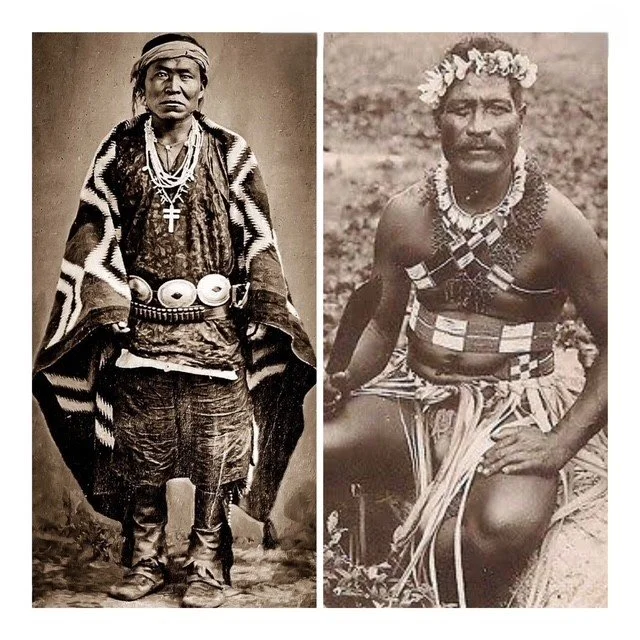
The Freely Associated States, the Federated States of Micronesia, the Republic of the Marshall Islands, and the Republic of Palau, face a similar challenge today. Across the region, non-communicable diseases such as diabetes, cardiovascular disease, and hypertension have reached crisis levels.
Yet Micronesia’s history tells a very different story.
Earlier generations of islanders were widely recognized for their physical strength, active lifestyles, and diets centered on locally harvested foods such as breadfruit, taro, fish, coconut, and pandanus.
The question now confronting Micronesia is the same one many Indigenous communities are asking.
How did we go from some of the healthiest traditional diets in the Pacific to one of the regions most affected by diet-related disease? And what can be done to reverse the trend?
A History of Remarkable Health
Long before diabetes and cardiovascular disease became common across the Pacific, outside observers frequently remarked on the remarkable physical condition of Micronesian populations.
German naval surgeon and ethnographer Augustin Krämer documented the vitality and endurance of island populations during the early twentieth century. Observers frequently described Micronesians remaining physically active well into older age. Many continued climbing coconut trees, fishing offshore, and tending gardens into their fifties and sixties.
Early accounts also frequently noted strong dental health and the relative absence of obesity. These conditions were commonly attributed to diets composed almost entirely of locally grown foods and fresh fish.
“Before processed foods became common, Indigenous diets were often built around locally grown crops and wild foods that provided balanced nutrition.”
These observations raise an important question for the present. If earlier generations of Micronesians maintained strong health on traditional diets, what changed?
Evidence from Early Nutrition Studies
These early observations were not simply romantic impressions recorded by colonial administrators. Medical researchers working in the Pacific during the mid twentieth century also documented the strong health of many island populations prior to the widespread introduction of imported processed foods.
One of the most influential early nutrition researchers working in the Pacific was Weston A. Price. In the 1930s he documented traditional diets and dental health among Indigenous populations around the world. His work recorded very low rates of tooth decay and strong overall health among communities consuming diets based on local foods such as fish, root crops, coconuts, and fruits.
Later medical studies conducted in Pacific Island communities during the 1950s and 1960s similarly found very low prevalence of diabetes in populations that still relied largely on traditional diets and physically active lifestyles.
Researchers began noticing a troubling pattern as imported foods became more common in island diets. Communities that shifted toward diets high in refined carbohydrates, sugar, and processed foods began experiencing rising rates of obesity and diabetes within a generation.
“As traditional foods declined and processed foods became more common, health outcomes worsened in many Indigenous communities.”
By the 1970s and 1980s researchers were documenting what is now widely known as the nutrition transition across many Pacific societies.
The dramatic rise in diabetes across the Pacific therefore occurred within the span of only a few generations.
From Rare Disease to One of the Highest Rates in the World
The speed of this transformation is striking.
In many Pacific Island societies diabetes was rarely documented in early medical records prior to the mid twentieth century. Yet within only a few generations the Pacific has become one of the regions most heavily affected by non-communicable diseases.
Today several Pacific Island countries rank among the highest in the world for diabetes prevalence. According to the International Diabetes Federation, the Republic of the Marshall Islands is frequently cited as having one of the highest diabetes prevalence rates globally. Surveys indicate that more than one in four adults lives with the disease.
Across the Pacific more broadly the World Health Organization estimates that roughly 70 to 75 percent of deaths are now caused by non-communicable diseases.
The same dramatic rise in diabetes has occurred among the Navajo.
“Diabetes rates among Navajo people are among the highest in the United States today.”
This parallel highlights a shared challenge across Indigenous communities whose traditional food systems were disrupted during the twentieth century.
Where Did We Go Wrong?
Across the Freely Associated States non communicable diseases are now the leading causes of illness and death. Recognizing the severity of the problem, health leaders across the U.S. affiliated Pacific Islands declared a regional state of health emergency on NCDs in 2010 through the Pacific Island Health Officers Association.
Beyond the human toll these diseases impose significant financial burdens on island governments.
Many complications of diabetes, particularly kidney failure, require treatments that are extremely expensive and difficult to provide within small island health systems. Patients suffering from end stage renal disease often require hemodialysis several times per week or kidney transplantation.
Because specialized medical facilities are limited in the region governments frequently must send patients abroad for treatment. In recent years many of these referrals have been directed to hospitals in the Philippines where treatment costs are significantly lower than in the United States.
Even so these referrals still involve substantial government expenditures for treatment, travel, and long term care.
“The rise in diabetes has placed enormous strain on tribal health systems.”
For small island governments with limited health budgets these overseas referrals represent some of the largest and fastest growing health expenditures.
NCDs are therefore not only a public health crisis. They are also a major economic burden.
A Hidden Vulnerability: Food Dependence
Reliance on imported foods has created another challenge beyond public health. It has created economic vulnerability.
Many Pacific Island countries depend heavily on imported food supplies. Events far from the Pacific such as fuel price spikes, shipping disruptions, or geopolitical conflicts can quickly affect food prices and availability across the region.
The COVID-19 pandemic demonstrated how fragile these supply chains can be. Disruptions in transportation strained food systems throughout many island nations.
“Many Indigenous communities are now reconsidering how reliance on external food systems has affected both health and resilience.”
For countries that depend heavily on imported foods global disruptions can quickly become local food security crises.
Lessons from the Navajo Nation
Many Indigenous communities around the world have experienced similar health crises following the disruption of traditional food systems.
One of the clearest examples comes from the Navajo Nation.
In response to rising diabetes rates Navajo leaders introduced the Healthy Diné Nation Act. The policy places a modest tax on unhealthy foods while removing sales taxes on healthier options.
“The policy aims to make healthier foods easier to choose while encouraging communities to reconnect with traditional diets.”
Since the policy was introduced more than 7.5 million dollars has been generated from the tax on unhealthy foods. Nearly all of these funds have been reinvested directly into Navajo communities.
Across the Navajo Nation the revenue has supported more than one hundred wellness initiatives including community gardens, agricultural programs, walking trails, playgrounds, and nutrition education.
Research also suggests that awareness of the policy has encouraged some consumers to purchase fewer unhealthy foods and more healthy options.
Beyond health outcomes, the initiative has also produced important community and economic spillover benefits. By supporting local agriculture, community gardens, and traditional food initiatives, the policy has helped stimulate small scale food production and local markets. Investments in walking trails, playgrounds, and community wellness infrastructure have also created lasting assets within Navajo communities. These initiatives circulate resources locally while strengthening community engagement around food, culture, and health.
Rebuilding Diverse Local Food Systems
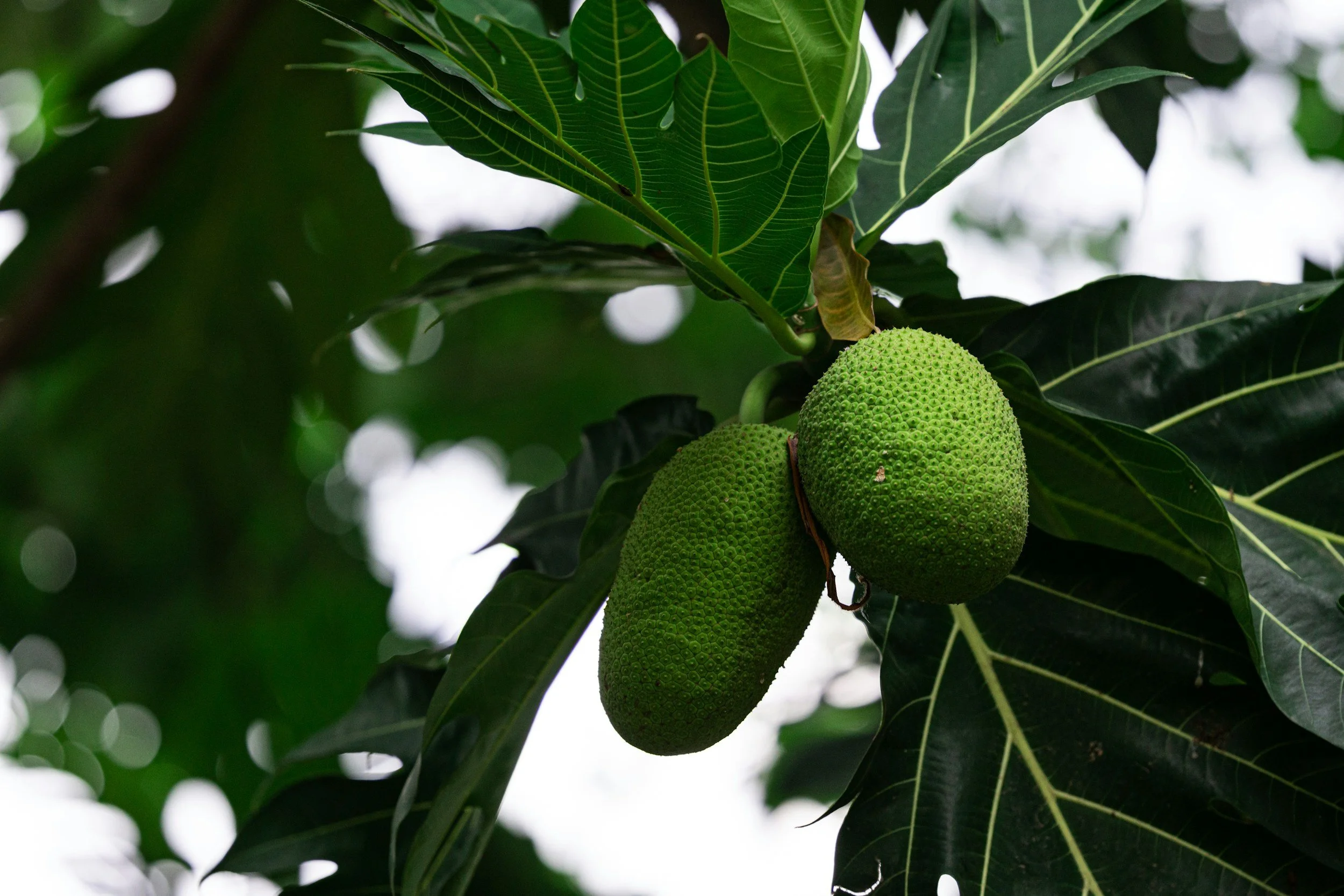
Breadfruit is often highlighted as one of the most important traditional foods of the Pacific, but it represents only one part of a broader food system that historically sustained Micronesian societies.
Island diets traditionally relied on many foods including breadfruit, taro, cassava, sweet potato, pandanus, coconut, bananas, and fresh reef and pelagic fish.
These foods provided both nutritional balance and seasonal variety. Different crops matured at different times of the year which helped ensure a continuous supply of food.
Today chefs and entrepreneurs across the Pacific are rediscovering the culinary potential of these crops. Pastas, breads, chips, and other foods are increasingly being produced from breadfruit, cassava, taro, and other traditional staples.
“Traditional foods are being rediscovered not just as cultural heritage but as part of healthier modern diets.”
Returning to traditional foods does not mean returning to limited diets. Instead it offers an opportunity to build modern food systems rooted in local agriculture, cultural knowledge, and culinary innovation.
A generational shift may also be creating new opportunities for change. Many younger Micronesians, particularly among Generation Z, appear increasingly interested in reconnecting with traditional knowledge and cultural practices. At the same time there is growing skepticism toward some of the dietary guidance that dominated the late twentieth century. Government dietary recommendations in the United States have changed repeatedly over the decades. The widely promoted food pyramid which emphasized highly subsidized grain products has since been revised, and guidance on foods such as eggs and dietary fats has been repeatedly reconsidered. For many young people these shifts have raised questions about whether imported dietary models should remain the primary guide for island diets. As a result, traditional foods and ancestral knowledge are gaining renewed credibility among younger generations seeking healthier and more culturally grounded approaches to nutrition.
Looking Forward by Looking Back
Addressing the NCD crisis in the Freely Associated States will require coordinated action across many sectors.
Healthcare systems must strengthen prevention and treatment. Governments must invest in public health education and consider policies that encourage healthier food environments.
But part of the solution may lie in rediscovering knowledge that already exists.
Traditional Micronesian food systems were not primitive or outdated. They were sophisticated systems carefully adapted to island environments over generations.
There are also encouraging signs that sustained health interventions in Navajo communities are producing measurable results. Programs supported by the Indian Health Service and Navajo health authorities have improved diabetes prevention and treatment. Between 1996 and 2013 diabetes related kidney failure among Native Americans declined by more than 50 percent. This represents one of the most significant improvements recorded for any population in the United States.
These improvements demonstrate that long-term investments in prevention, healthier food environments, and community-driven health programs can reduce the most severe consequences of diabetes.
The Navajo experience shows that Indigenous communities can reclaim their health by rebuilding traditional food systems.
For Micronesia, the path forward may begin with a simple realization.
The foods that sustained island societies for centuries may still hold the key to a healthier future
References
Centers for Disease Control and Prevention. 2020. “The Healthy Diné Nation Act: A Navajo Nation Policy to Reduce Unhealthy Food Consumption.” Preventing Chronic Disease 17. https://www.cdc.gov/pcd/issues/2020/20_0038.htm.
Colorado Sun. 2026. “How the Navajo Nation Is Tackling Diabetes with a Return to Its Ancestral Diet.” March 27, 2026. https://coloradosun.com/2026/03/27/how-the-navajo-nation-is-tackling-diabetes-with-a-return-to-its-ancestral-diet/.
Hughes, Robert G., and Mark A. Lawrence. 2005. “Globalisation, Food and Health in Pacific Island Countries.” Asia Pacific Journal of Clinical Nutrition 14 (4): 298–306.
Indian Health Service. 2014. Trends in Indian Health 2014 Edition. Rockville, MD: U.S. Department of Health and Human Services.
International Diabetes Federation. 2021. IDF Diabetes Atlas. 10th ed. Brussels: International Diabetes Federation. https://diabetesatlas.org.
Krämer, Augustin. 1906. The Caroline Islands: Travel in the Sea of the Little Lands. Honolulu: Bernice P. Bishop Museum.
(English translation of earlier German ethnographic work.)
Pacific Island Health Officers Association. 2010. Regional Declaration of a Health Emergency on Non-Communicable Diseases in the U.S.-Affiliated Pacific Islands.
Popkin, Barry M. 2006. “Global Nutrition Dynamics: The World Is Shifting Rapidly toward a Diet Linked with Noncommunicable Diseases.” The American Journal of Clinical Nutrition 84 (2): 289–298.
Price, Weston A. 1939. Nutrition and Physical Degeneration. New York: Paul B. Hoeber.
Ragone, Diane. 2006. “Artocarpus altilis (Breadfruit).” In Species Profiles for Pacific Island Agroforestry, edited by C. R. Elevitch. Holualoa, HI: Permanent Agriculture Resources.
World Health Organization. 2022. Noncommunicable Diseases Country Profiles 2022.Geneva: World Health Organization. https://www.who.int